The First 7 Minutes Decide If They Come Back
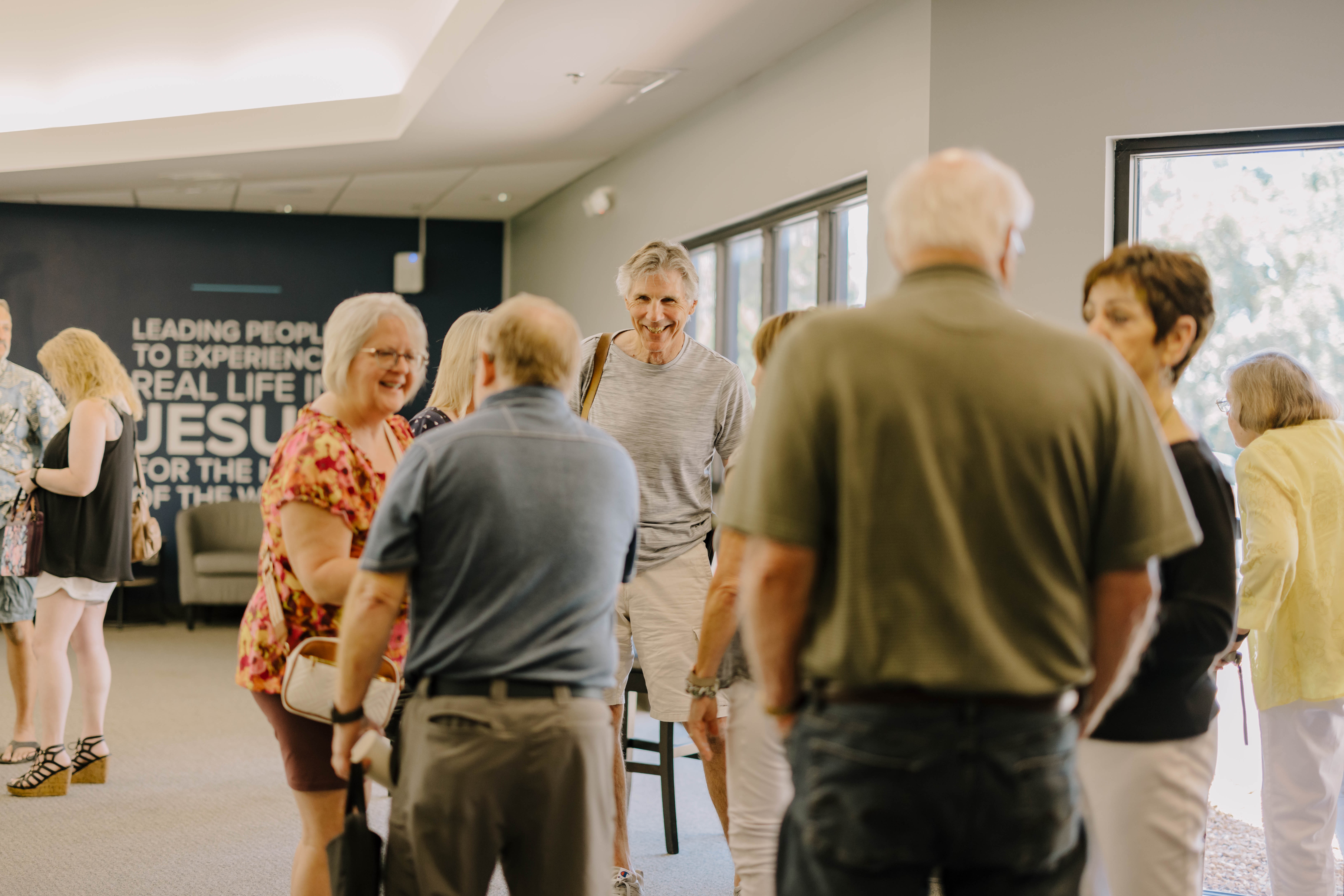

Quick Answer: Why Do the First 7 Minutes Matter So Much?
Most first-time guests decide whether they'll return to a church within the first 7 minutes of arriving, before the service even starts. That window includes parking, entry, greeting, kids' check-in, and finding a seat. A strong first 7 minutes builds trust before a single word of the sermon is spoken.
Marcus pulls into the parking lot twelve minutes late. He's already nervous. He doesn't know where to park, doesn't know which door leads to the sanctuary, and now he's walking in during worship instead of before it.
Nobody greets him at the door. Nobody points him toward the kids' area where his daughter is gripping his hand a little tighter than usual. He finds a seat near the back, and the second the service ends, he's out the door before anyone can say hello.
The sermon was good that day. It didn't matter. Marcus never came back.
The 7-Minute Window
Research on guest experience consistently points to the same number: most first-time guests decide whether they'll return within the first 7 minutes of arriving. Not during the sermon. Not during worship. In the parking lot, at the door, in the hallway, before the service has even started.
That's a hard truth for a lot of churches to sit with. You can have the best teaching in your city and still lose guests before they ever sit down, simply because those first 7 minutes felt confusing, cold, or unclear.
The good news is that the first 7 minutes are also the most fixable part of the entire guest experience. It doesn't take a bigger budget. It takes intention.
What Actually Happens in Those 7 Minutes
Break it down and the 7 minutes are really a handful of small moments stacked together: finding a parking spot, walking to the right door, being greeted by someone who seems glad they came, figuring out where to take the kids, and finding a seat without it feeling awkward.
Every one of those moments either builds trust or adds friction. A church doesn't need to fix all five at once. It needs someone paying attention to which one is breaking down the most for guests like Marcus.
Why This Isn't Just a Hospitality Problem
The in-person experience and the digital experience aren't separate conversations anymore. A guest who had a rough first 7 minutes and never came back has the same problem as a guest who filled out a Connect Card and never heard from anyone. Both are the same failure: nobody closed the loop.
This is where automated guest follow-up and in-person hospitality training work as two halves of the same system. One makes sure no guest is forgotten after they leave. The other makes sure they have a reason to stay long enough to be followed up with in the first place.
Programs built specifically around this problem, like First Impressions Academy, exist because the average guest decides in those first 7 minutes and most churches have never trained a team around that specific window. It's not about being more welcoming in a general sense. It's about being intentional in the specific minutes that matter most.
For Teams Managing This at Scale
If you're coordinating volunteers across multiple entry points, service times, or campuses, the challenge shifts from "are we being friendly" to "is this consistent every single week, no matter who's on the schedule."
That's a systems question as much as a training question. A shared team inbox that lets any staff member see who's been contacted, paired with a hospitality team that knows exactly what those first 7 minutes should look like, closes the gap between a guest walking in and a guest getting followed up with well.
"Before using Text In Church, communication was one of our biggest challenges. We had great things happening in our church, but it wasn't always reaching people in a consistent or timely way. Follow-up with guests wasn't as structured, and we didn't always have a clear system for staying connected beyond Sunday."
— Calandra Williams, Director of Onboarding and Guest Services, Grace City Church of North Dallas
A church can train volunteers to be warm every single week. It can also make sure that warmth doesn't stop the moment a guest walks out the door. Neither piece works well without the other.
If your team is ready to build consistency into both halves of this, see how it can work with Text In Church in a live demo or start your free 14-day trial to get guest follow-up running today.


